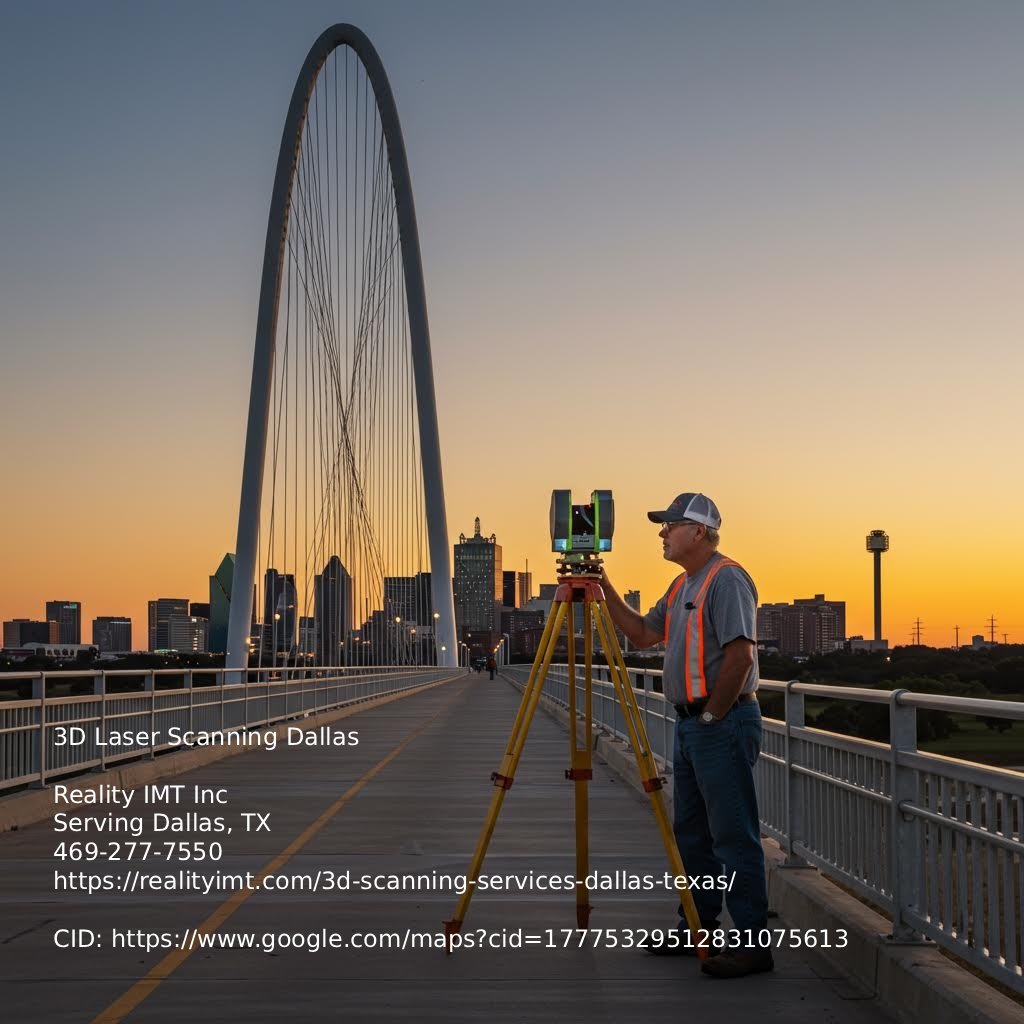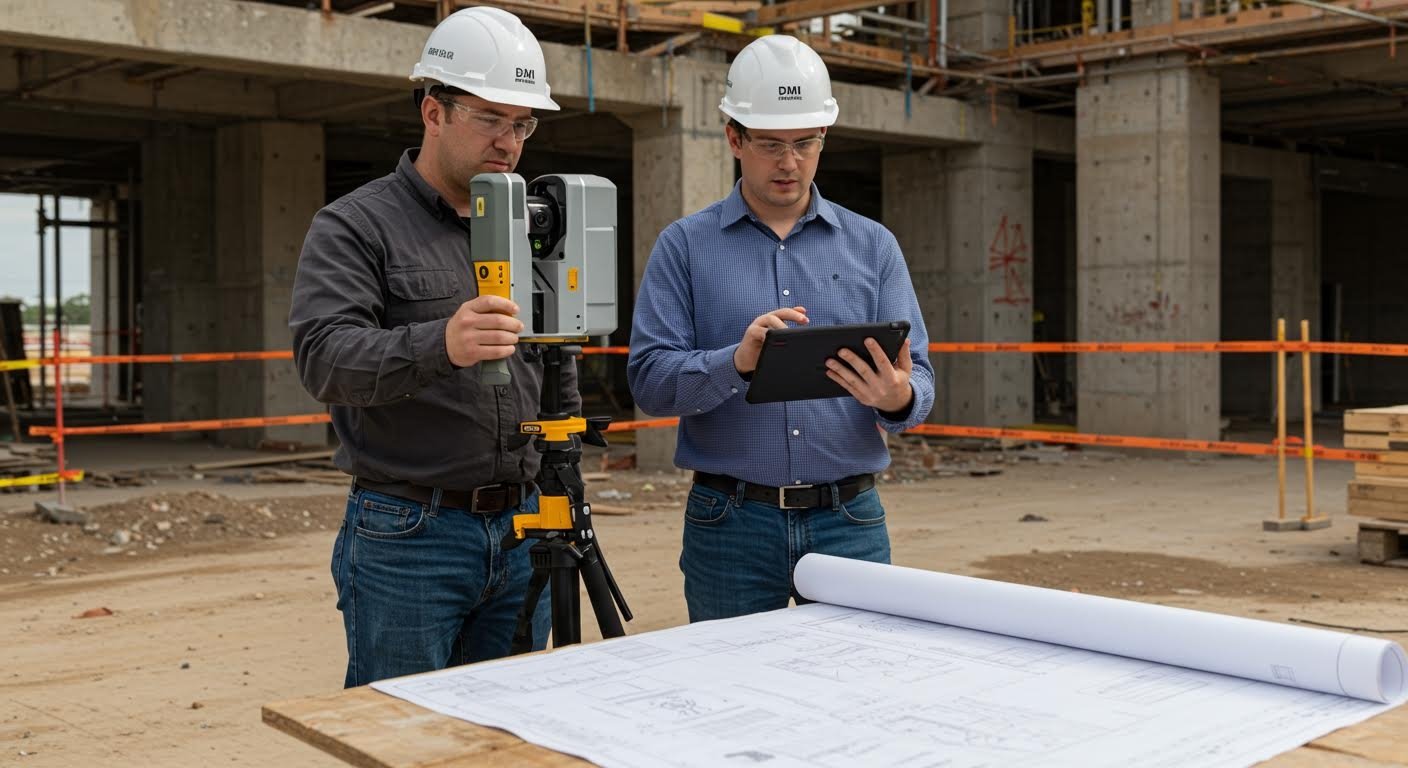
3D laser scanning uses LiDAR (Light Detection and Ranging) to collect exact spatial data. It sends out laser beams that bounce off surfaces and return to the scanner. The system measures distance based on how long the light takes to come back. These scanners gather millions of data points per second to create a detailed point cloud of the space. In Dallas schools, this captures accurate dimensions of walls, ceilings, mechanical systems, and structures—without touching anything. The typical accuracy is within a few millimeters. That helps with aging buildings and tight renovation schedules.
It starts with a walkthrough to plan scan spots and flag key areas. Then the team sets up the scanner in several locations to cover everything, even in tight or blocked spaces. Each scan takes a few minutes. The team then combines the scans into one complete dataset. For a mid-sized school, scanning may take a day or two, depending on access and layout. The process is non-invasive and doesn’t interrupt daily activity—helpful in busy schools.
After scanning, the raw data forms a point cloud—a dense map of X, Y, and Z coordinates. It shows every surface the laser touched, including floors, walls, pipes, ducts, and furniture. These files are large and need special software. Technicians clean the data, align scans, and remove clutter. The result is a digital version of the space that’s ready for use or conversion. Here is why that matters: it gives teams a clear, accurate view of the building.
Once the point cloud is ready, it’s often turned into a BIM (Building Information Model) or CAD file. This step changes raw points into usable models. Walls become walls, ducts become ducts. This modeling may take several days, depending on how much detail is needed. In Dallas, teams often set the Level of Detail (LOD) early—LOD 200 for layout, LOD 300 for construction prep, and so on.
Accuracy is a major reason to use 3D laser scanning for school renovations. Tape measures and old blueprints often miss changes or hidden features. Scanning shows exactly what’s there—even if it’s damaged or undocumented. That cuts down on design mistakes, change orders, and delays. In older Dallas schools, knowing what’s behind walls or ceilings can save weeks later. Let’s break it down: better data means fewer surprises.
3D laser scanning gives renovation teams a fast, accurate way to capture existing conditions of school buildings. Instead of using old blueprints or walking the site with a tape measure, teams can create a precise digital model—walls, ceilings, mechanical systems, everything—in just a few hours. This helps when schools can’t afford long closures or delays.
Accuracy also improves safety. Knowing where supports, systems, and wiring are before demolition lowers risk. Crews aren’t guessing. And when owners, contractors, and design teams share the same 3D model, coordination gets easier. Everyone works from the same data, which helps avoid miscommunication and scope changes.
In Dallas, many school buildings are decades old, and the original drawings often don’t match what’s actually there. Projects that skip scanning often hit surprises once walls come down—misplaced utilities, undocumented changes, or structural shifts. Fixing those mid-project wastes time and money. Laser scanning gives architects and engineers accurate data from the start. That means less rework and fewer RFIs.
Scanning is also fast. A mid-sized school can often be scanned in a day, with models ready within a week. That beats traditional methods. Plus, the scans can help with future upgrades or maintenance, so the benefits last.
For schools with tight schedules and budgets, scanning helps get renovations done right the first time. Here is why it matters.
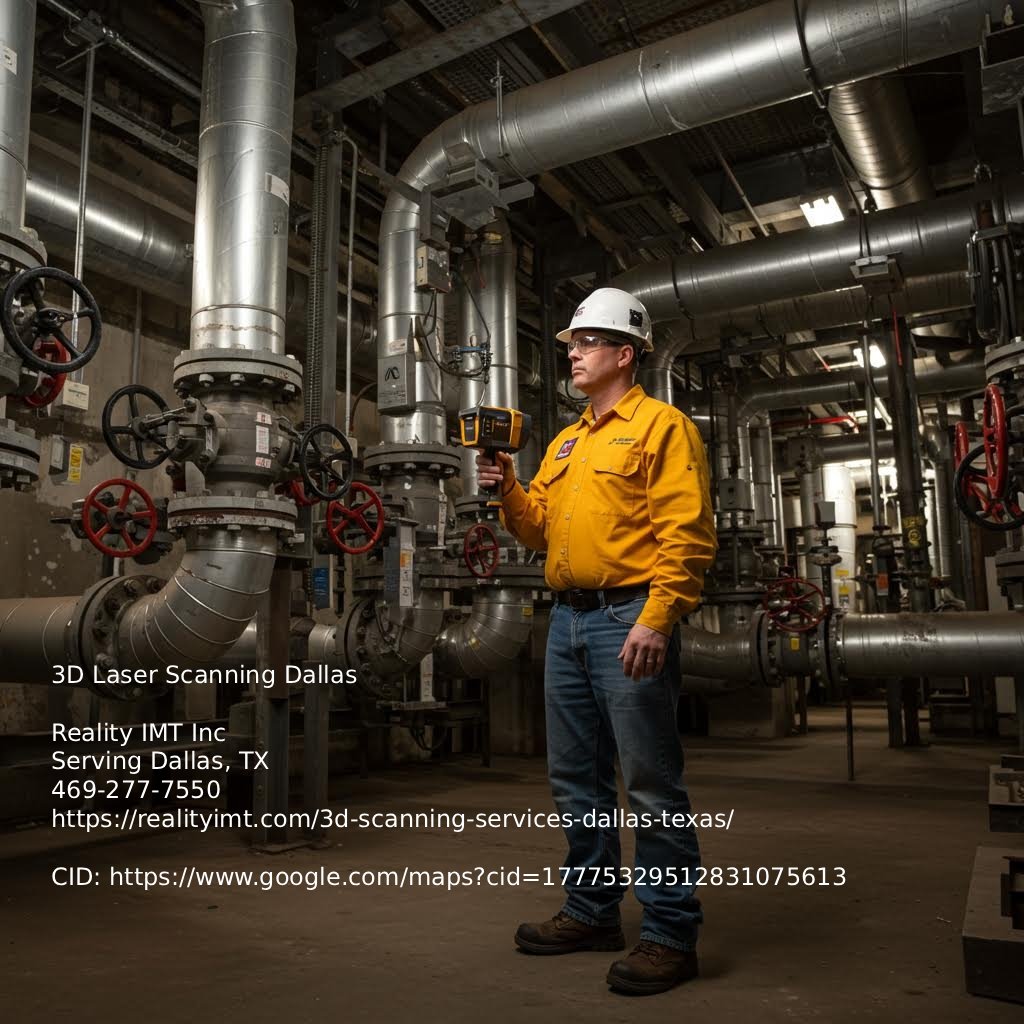
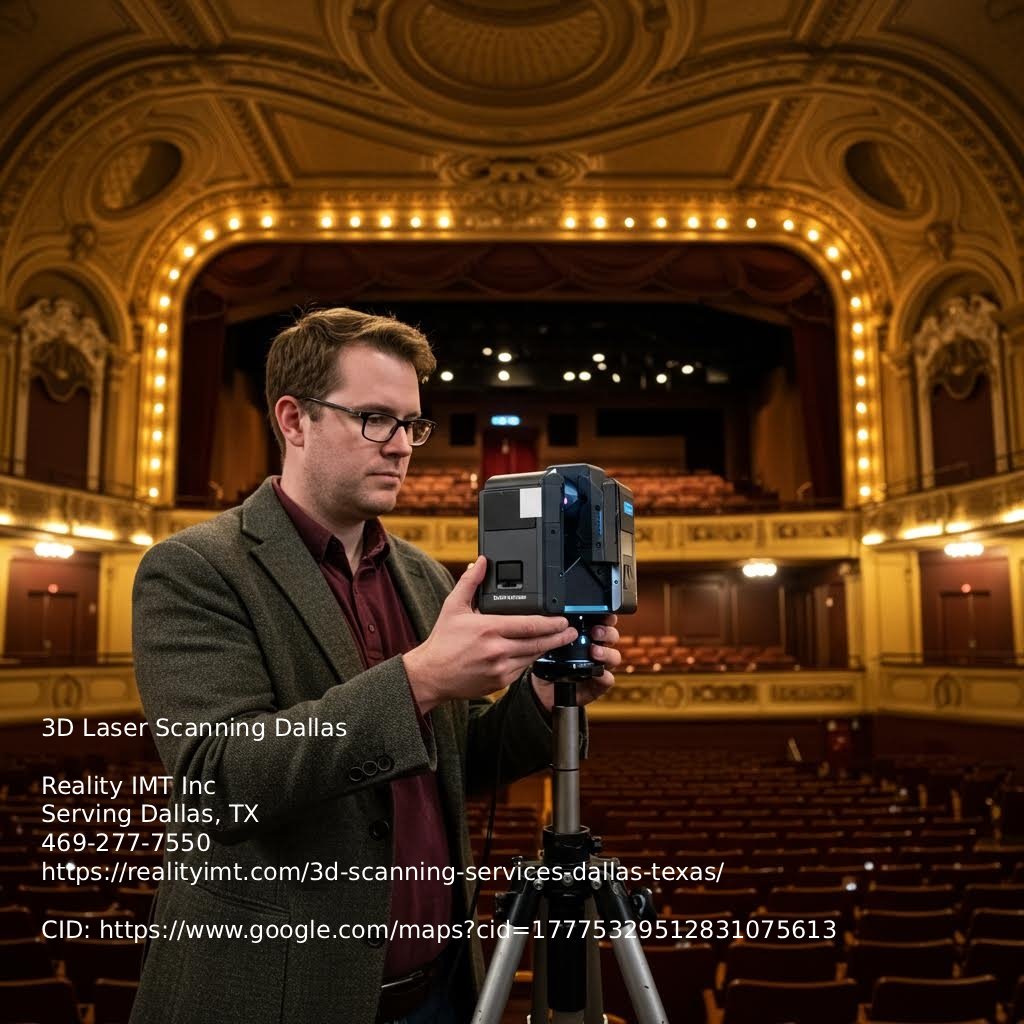

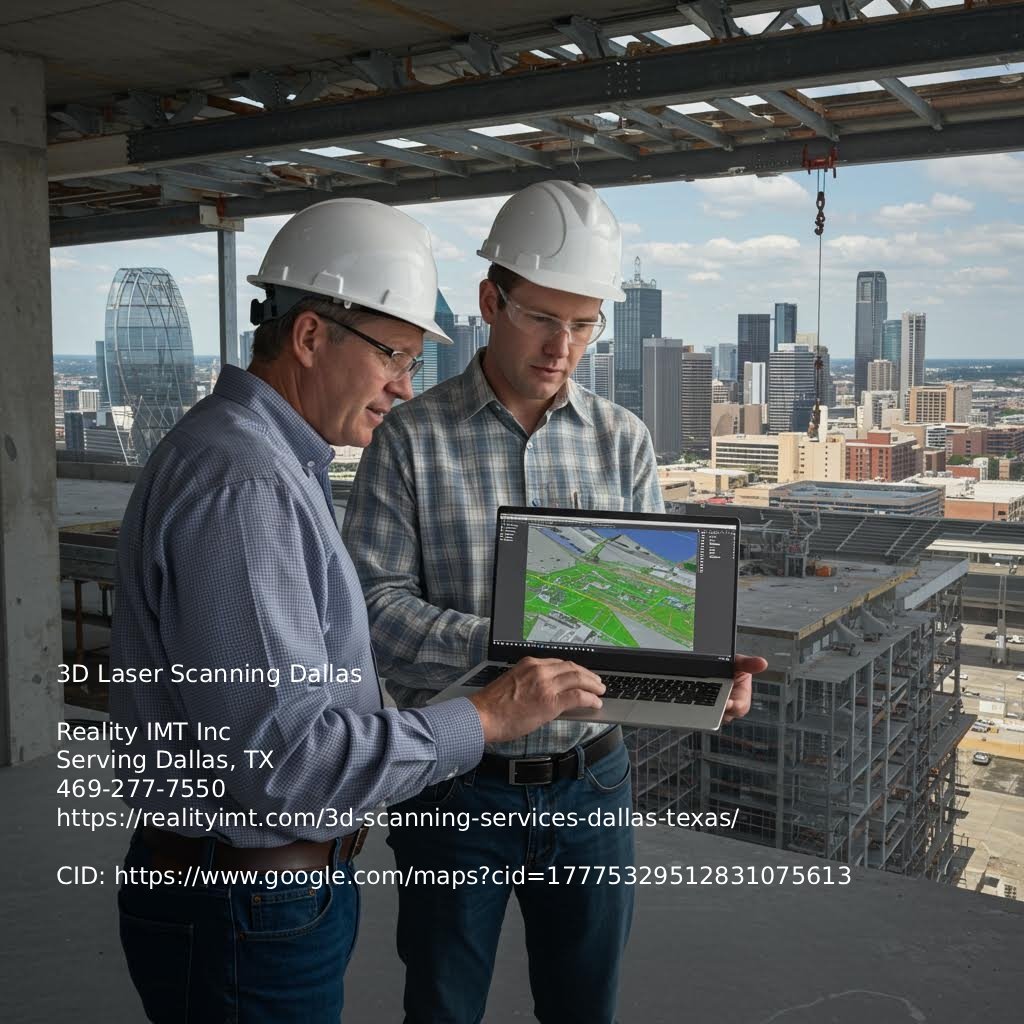
Accurate building data helps any renovation or expansion project, especially in older schools. Whether it’s a K-12 campus or a large college building, 3D laser scanning shows architects, engineers, and contractors exactly what they’re working with before they begin. It captures exact measurements, including uneven walls, sloped ceilings, or undocumented ductwork.
In Dallas, where many schools have aging buildings, this scanning helps a lot. Architects can use point cloud data in design software to build accurate models without guessing or relying on old blueprints. Structural and MEP engineers can spot load-bearing walls, utility paths, and mechanical layouts early, which cuts down on rework.
Contractors save time during pre-construction. They don’t need as many site visits or surveys because they can use a detailed 3D model right away. This helps with estimates, schedules, and team planning. Space planners and facility managers can see how to adapt layouts—like turning classrooms into labs or adding accessibility features.
Property owners gain too. With accurate building records, they can manage assets, plan upgrades, or pass along documents during a sale. Without this data, mistakes happen—walls get opened for no reason, systems get misidentified, and timelines slip. 3D laser scanning helps everyone stay on the same page from the start.
If you're planning a renovation or expansion in a school, accurate as-built data is crucial. A reliable 3D laser scanning provider in Dallas can capture the true dimensions of a building—walls that have shifted, ceiling heights that differ from the plans, and added ductwork. It all shows up in the scan. But providers vary in quality and speed, and that can cost you.
Start with their experience. Have they worked on K-12 schools, college campuses, or older buildings? Schools bring unique challenges like tight timelines, limited access during the year, and a mix of old and new structures. You want a team that knows how to handle that.
Ask what technology they use. Some still use older scanners that take longer and produce lower-quality data. Others use newer LiDAR systems with better resolution and mobile setups that scan large areas fast. The scanner type affects both model quality and how long the process takes.
Turnaround time matters. Schools can’t wait. A provider should give clear timelines for scanning and delivering models—whether that’s a Revit file, 2D drawings, or raw point clouds. Make sure the formats match what your architects and engineers need. Otherwise, you’ll waste time fixing files or hunting for data.
Renovating older campuses in Dallas requires accurate data that works with current systems. 3D laser scanning helps here. The point cloud data and models plug right into BIM platforms like Revit, which many architects and engineers already use. No need to redraw or measure by hand. That can save weeks during planning.
It’s not just for design. Facility managers using CAFM or CMMS software can use these models too. The accurate as-built data turns into usable assets. That helps track HVAC units, electrical panels, and fire safety systems—especially in buildings with missing or outdated records. Scans show where equipment actually is, not where old blueprints say it should be.
This also helps with inspections and audits. When the model is accurate to a few millimeters, there’s less guessing during maintenance. In schools that stay open during renovations, precise data helps avoid tearing into the wrong walls. You know what’s behind them before starting work.
Some teams overlook file compatibility. That slows things down. If the scan data doesn’t match your BIM or CAFM setup, you’ll waste time fixing it. Here is why you should plan ahead. Talk to the scanning team early. Ask about formats and delivery. It’s not just about having the data—it has to work with your tools.
Pricing for 3D laser scanning in schools depends on a few things. First, square footage. Larger campuses or multi-building sites take more time to scan and process. Second, the level of detail. Scanning just walls and doors costs less. Full MEP coordination or preservation-level detail costs more. Third, accessibility. If students and staff are present, scanning may need to happen after hours or in phases, which adds time.
In Dallas, daily rates for 3D scanning in schools range from $1,500 to $5,000, depending on scope. Some firms charge per square foot. Others offer fixed quotes. Ask if the price includes scan registration, modeling, and file formatting. Some firms only deliver raw point clouds unless you request more.
The payoff comes from fewer surprises during construction. Accurate as-built data helps architects and engineers avoid conflicts during renovation. That means less rework, fewer change orders, and tighter schedules. One Dallas school district used scanning before an HVAC retrofit and avoided over $40,000 in duct rerouting. That’s common.
Relying on old drawings or guesses can backfire. If the real conditions don’t match the plans, the project slows down. Most of the cost comes from lost time and labor—not the scanning.
Most schools can be 3D laser scanned in a day or two, depending on size. A typical elementary school might take 6 to 8 hours. A high school with several wings and levels might take up to 16 hours, sometimes over two days. The scanning goes quickly. Gaining access is the challenge. Locked or occupied classrooms slow things down. Scanning works best when the building is empty—weekends, breaks, or after hours. That isn’t always possible, but it helps.
Privacy comes up a lot. The scanners don’t record personal data—no faces, student records, or similar details. They only capture surfaces and layout. That includes walls, ceilings, floors, doorways, and mechanical rooms. Still, it’s smart to notify staff and have a basic privacy plan, especially if scanning during school hours.
People also ask if they need to prep the site. The short answer: a little. Clear pathways help. Desks or equipment that block key areas, especially mechanical rooms, limit what can be scanned. It’s also important to arrange access to locked rooms, rooftops, and basements. Skipping those leaves gaps in the model. That causes problems later during design or construction.
Here is why it matters. Architects and facility managers use these scans in BIM or CAD software. That gives them accurate measurements from the start. No guessing. No surprises when walls aren’t where expected. In older Dallas buildings, especially those from before the 1980s, drawings are often missing or wrong. Scanning fills that gap.
If you're planning a school renovation or expansion in Dallas, 3D laser scanning is the fastest way to gather accurate building data before any demolition. It helps when you're dealing with outdated floor plans, undocumented changes, or tight timelines. Laser scanning gives you a detailed digital model of the space, including wall shapes, ceiling heights, and MEP layouts—much faster than using tape measures and sketches.
Here is why that matters. Mistakes early in the design phase cost time and money later. If a wall is off by even a few inches, that error can affect the whole project. With 3D scanning, you work from verified data—point clouds and models that plug straight into Revit or AutoCAD. No guessing. No rework.
We focus on Dallas-area schools, so we know the quirks of older buildings, short summer construction windows, and district approval steps. We’ve scanned elementary schools, high schools, and admin buildings across the region. We move fast and keep disruption low.
If you're in pre-design or planning for next summer, now’s the time to book a consultation. We’ll walk the site with you, talk through your goals, and show you how scanning works. Want to see real results? We can set up a quick demo using Dallas project data. Use the form below or call us.