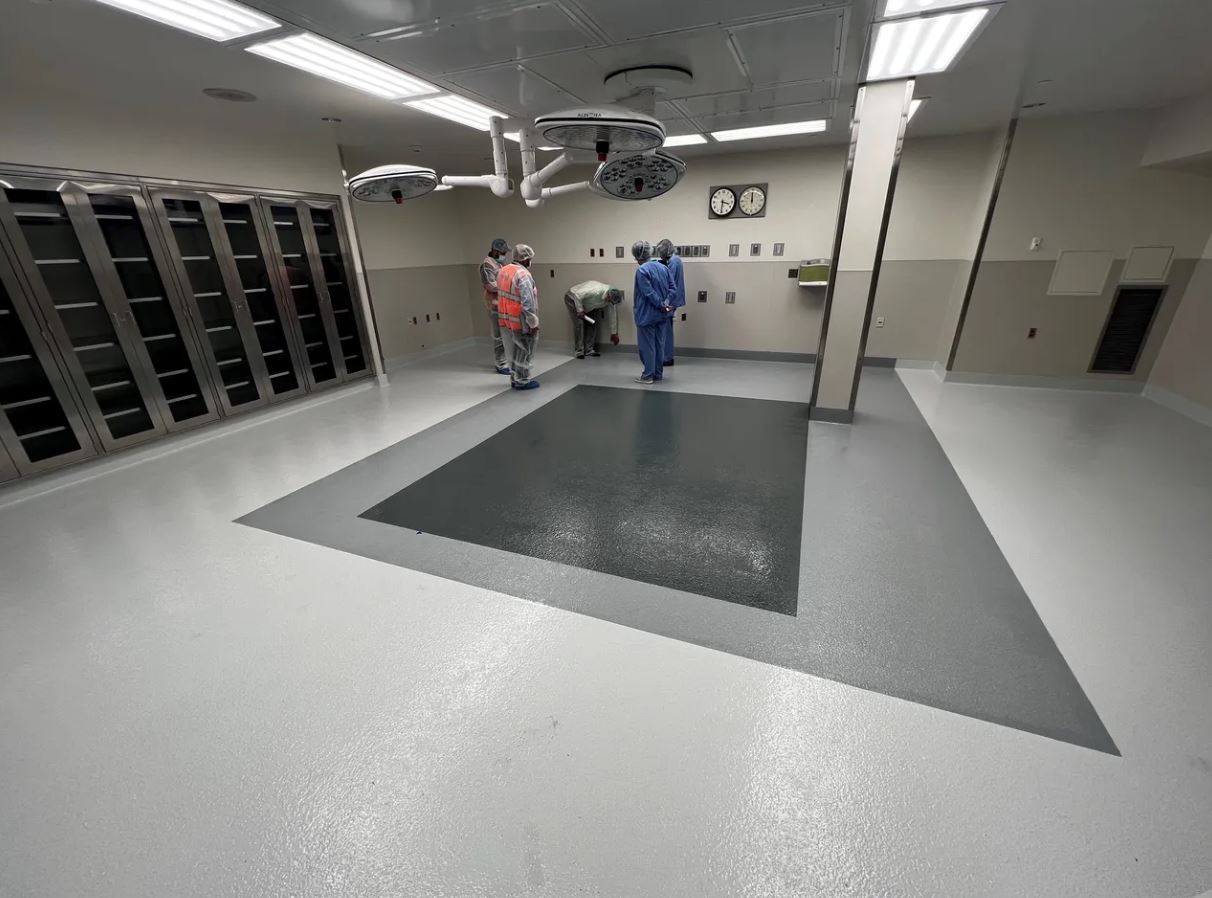
Let's discuss how long you can expect a garage floor coating to last. We mean epoxy or resin, the stuff that protects your concrete from everything a garage throws at it: heavy cars, dropped tools, and foot traffic.
A good coating should last 10 to 20 years. Where you fall in that range depends on a few things. Are you a homeowner wanting a clean, stain-resistant floor? Or are you running a shop with forklifts and constant use? It makes a difference.
For homeowners, prep work is key. If the concrete isn't cleaned and prepped before the coating goes on, it won't bond. That's the top reason coatings fail early. Also, a multi-layer system, with a primer, base coat, and topcoat, makes a difference in how long it lasts. Don't skimp.
If you're a property owner or investor looking to improve a property, you need to think tougher. You might need a thicker coating, maybe with extra chemical resistance. Pay attention to the edges and corners, as those are high-wear areas. Getting those details right is important for longevity, especially if you're trying to attract tenants or buyers.
Looking for a reliable Flooring Contractor in Denver property owners recommend for expert floor repair..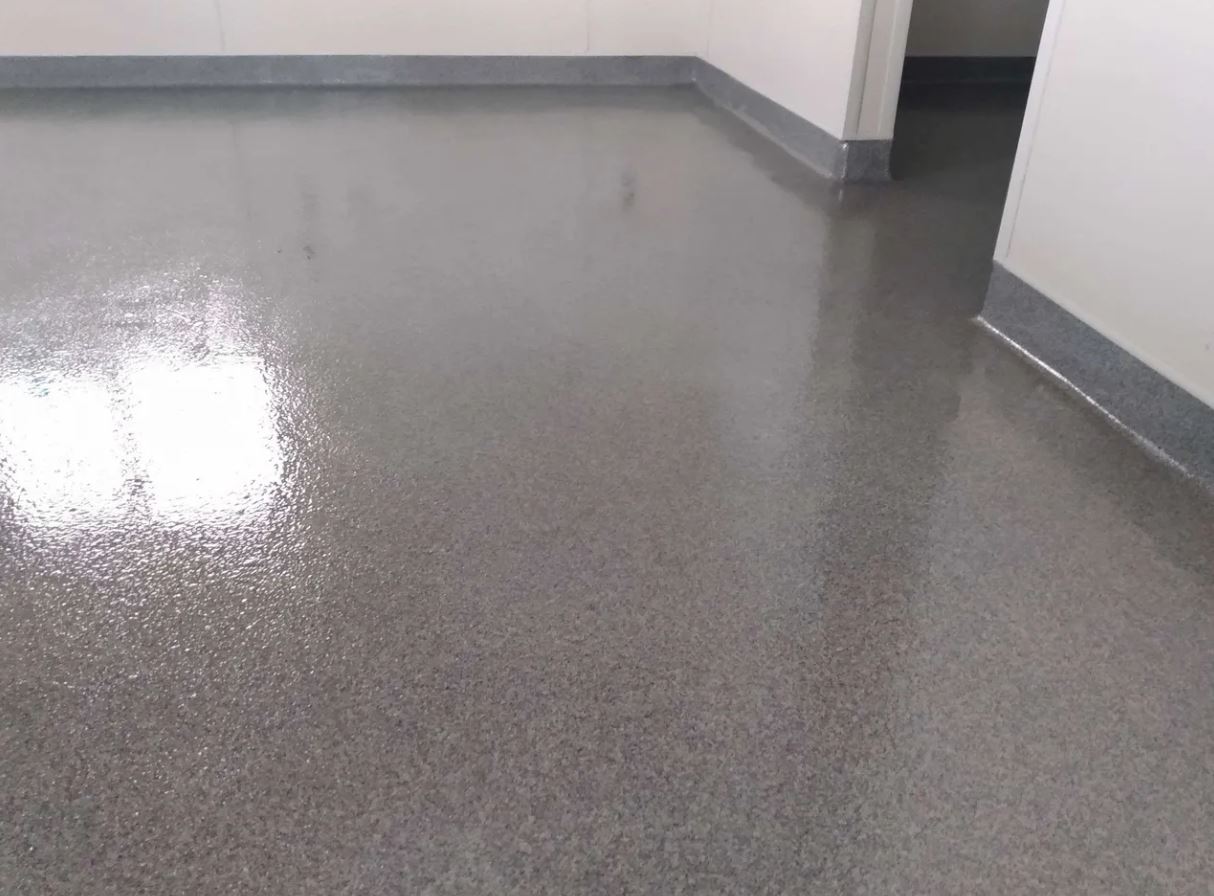
Let’s examine garage floor coatings and their expected lifespans. They aren't all the same.
Epoxy is a common choice. It's often used because it's affordable and looks good at first. Expect an epoxy coating to last around 2–5 years, maybe 7 with light use. The problem? It's not very flexible, so it can crack and chip, especially in Colorado's freeze-thaw cycles.
Polyurethane coatings are more flexible than epoxy. They handle temperature changes better and resist scratches. A polyurethane floor could last 5–10 years, sometimes longer if you're careful.
Polyaspartic coatings are newer and tougher. They can easily last 10–20 years, maybe longer. They're more expensive initially, but their resistance to chemicals, abrasion, and UV damage makes them a good long-term choice.
Other coatings exist, like acrylics, but they don't offer the same durability as epoxy, polyurethane, or polyaspartic. You might get a year or two out of them, but you'll likely redo your floor sooner.
How long your garage floor coating lasts depends on how you use your garage. Heavy traffic, dropping tools, and exposure to road salts will shorten any coating's lifespan. Proper preparation before application also matters. If the concrete isn't cleaned and prepped well, even the best coating will fail early.
Surface preparation is critical. Skip steps, and your coating will fail. Concrete must be cleaned and etched well. This opens the pores so the epoxy or resin can grip the floor. This often means grinding the surface to remove coatings, dirt, or contaminants. Epoxy on a dirty or sealed floor won't bond. You'll see peeling and bubbling fast.
Application quality matters almost as much as prep work. You need even coats, correct epoxy mixing, and attention to detail around edges. Thin spots are weak, and mixture issues can cause curing problems. Professionals use equipment to ensure even application and control layer thickness. That’s why DIY jobs often fail sooner.
Think about how much traffic your garage floor sees. A garage that houses a car and some storage will see less wear than a workshop or one used by heavy vehicles. Traffic type also matters. Heavy rolling toolboxes, dropped tools, and turning car tires all cause abrasion. This can shorten your coating's life if it can't handle it.
Garages attract chemical spills: oil, gasoline, antifreeze, and road salts. Epoxy and resin coatings resist chemicals well, but they aren't perfect. Clean spills fast to prevent staining and coating breakdown. Some chemicals are worse than others. Think about what chemicals your floor will see, and pick a coating that can handle them.
Denver's climate is tough. The freeze-thaw cycle makes concrete expand and contract, which stresses the coating. Road salts used in winter can seep into the concrete and hurt the coating from below. UV light at this altitude is strong. This can make some epoxies yellow or become brittle. Pick a UV-resistant coating for a long life here.
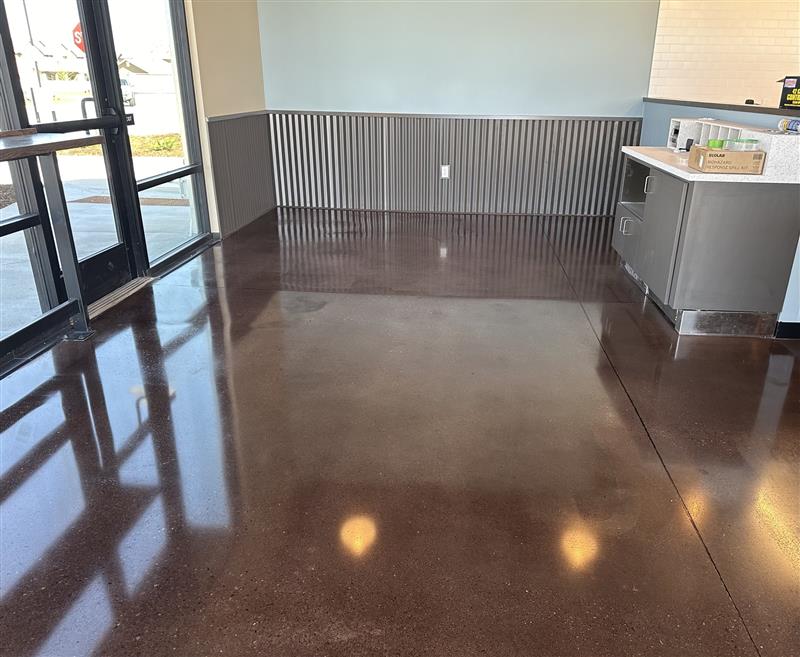
After about 10 years, you can see how well your garage floor coating is doing. Much depends on the coating you chose. Cheaper epoxy coatings might show wear by now. Think of the cars, dropped tools, and spills.
You might see discoloration, especially without a UV-resistant topcoat. Cracking is also common. Small cracks can appear and become bigger problems, like peeling. Peeling is bad because water can get underneath and hurt the concrete.
Impact resistance matters. Did a dropped wrench cause a chip? Watch it. Regular cleaning is key in the first decade. Sweep debris, wipe spills, and scrub with mild soap every few months. You might reapply a topcoat every few years to make it last. It pays off.
You've had your garage floor coating for about 15 years. What now? It's time to examine the floor. Are there a few cracks and chips, or is the whole thing peeling?
If the damage is minor, repairs could work. You can patch those spots to buy more time. Will the damage only worsen? If you see widespread issues, recoating the whole floor might be better. That means prepping the surface and applying a new layer of epoxy or your original coating.
The final option: complete replacement. This is for coatings beyond repair. Maybe there's moisture coming up, or the concrete is crumbling. This choice is most expensive, but it gives you a fresh start and lets you address any hidden problems.
Cost matters. Don't just look at the upfront price. Think long term. A cheap repair might last a year or two. A new coating could last a decade. Also, consider the hassle. How much time and effort will constant repairs take? Sometimes, spending more now saves money and headaches later.
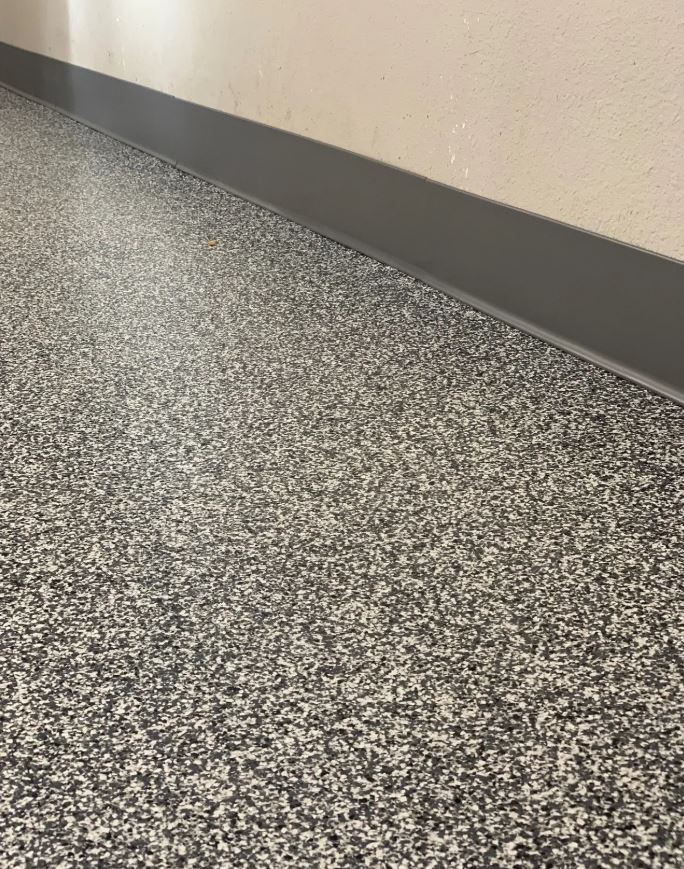
Want your garage floor coating to last? Getting 20 years is ambitious, but doable with the right plan. Not all coatings are equal. Look at high-solids epoxy or polyurethane systems. These bond with the concrete and can take a beating. Thin, DIY kits from the hardware store might last a couple of years.
To get 20 years, prep is key. Grind the concrete to open the pores. Repair cracks and add a good moisture barrier. Then, think about layering. Use a primer coat, a thick base coat with flakes or color, and a tough topcoat. The topcoat is your wear layer, so choose well.
Many people skip maintenance. Clean often with a mild cleaner and avoid harsh stuff. Don't drag heavy things across the floor without protection. Even with the best care, you will see wear. Recoat every 5-7 years to keep the system going. It's cheaper than replacing it all, and it keeps your floor looking good. When you replace a floor, think about what worked and what didn't. Maybe you need a thicker topcoat or better drainage. Plan, so you're ready when the old coating fails.
Let's examine some real-world examples to see how long garage floor coatings last. Some look great after years, while others fail sooner. What's the reason?
A big factor involves floor preparation. If the concrete wasn't cleaned and etched well, the coating won't bond. It's like taping something to a dusty wall; it won't stick. Floors can fail in a couple of years because of this. But a properly prepped and coated floor can last 10 to 20 years, even with regular use.
The coating type also matters. A thin, DIY epoxy kit won't hold up like a professional, multi-layer system. Thicker coatings resist wear from hot tires and dropped tools.
Maintenance is also key. Even the best coating will suffer if you spill chemicals and don't clean them. Regular sweeping and mopping extend the life of your garage floor coating. Think of it like washing your car; it keeps it looking better longer.
You have a coated garage floor, and you want it to last. Let's discuss how to maintain it.
First, cleaning matters. Regular cleaning is important. Dirt and grime wear down the coating over time, especially under tires. Sweep weekly if you use your garage often. Clean up spills right away. Oil, grease, and chemicals can stain or harm the coating if you leave them. Use mild detergent and water. Avoid harsh chemicals.
Next, consider protection. Use mats under your car where fluids could drip. Place them in busy spots, like where you walk to the car. Also, handle heavy items with care. Dropping a tool can chip the coating.
Regular checks are also key. Look for cracks, chips, or peeling. Fix problems early. Patch small chips. Address cracks before water gets underneath and causes bigger issues, like the coating lifting.
Finally, repair damage. If you see a problem, fix it quickly. You can often do small repairs yourself. A pro might be needed for larger areas. Ignoring damage leads to bigger, costlier problems later. It's like a small roof leak: fix it now, or replace the roof later. The idea is the same.
Let's explore DIY versus professional garage floor coatings and their impact on longevity. The difference is significant.
A DIY epoxy kit from a store might look like a good deal. For some, it works okay for a few years. These kits are often a single coat of low-solids epoxy. This means they aren't very thick or tough. They scratch more easily and peel. They won't hold up as well as a professionally installed system.
Professional installations involve more prep work. Concrete grinding creates a surface for the epoxy to bond. Then, multiple layers of good epoxy or other coatings go on. This makes a thicker, tougher surface. Also, professionals know how to handle moisture in the concrete. This is a factor in how well the coating sticks.
Here is why: A DIY job might last 2–5 years before it looks bad. A professional job can last 10–20 years, or longer. You pay more at first, but you save money by avoiding redo work every few years. Plus, your garage floor looks better and works better.
Selecting the right contractor for your garage floor coating is key, especially here in Denver where our weather challenges concrete. You don't want a peeling, cracked mess a year later. How do you find a good one?
First, look for experience. How many garage floors have they done? Ask for references and check them. Talk to past clients and see if they’re still happy with the work after a few seasons. Certifications also matter. A contractor certified by a coating maker has shown they know how to install their products.
Don’t skip the warranty. What does it cover? How long does it last? A warranty protects you if something goes wrong. But remember, the warranty is only as good as the company behind it.
Proper prep work is a must. Here in Denver, with our freeze-thaw cycles, a poorly prepped floor is in trouble. The contractor should grind the concrete to create a porous surface for the coating to bond. They should also fix any cracks or damage before coating. If they skip these steps, walk away. You'll regret it. A good install is key to longevity, especially with the temperature changes we see.
What's next for garage floor coatings? It’s more than just epoxy now. We see neat advances that improve durability, enhance looks, and help the environment.
Consider polyaspartic coatings. They cure fast, so your garage is usable sooner. Also, they resist UV damage, so they don’t yellow like some epoxies. This is helpful with lots of sunshine.
Sustainability gains focus. Producers make coatings with fewer VOCs (volatile organic compounds), which betters air quality. Some add recycled stuff to the coatings. It's great all around.
Application changes, too. Expect more exact, automated systems that ensure even coats and cut waste. This makes floors last longer and look nicer.
Don’t forget looks. Gray and tan are fine, but people want choices. Expect more decorative flakes, metallic colors, and custom mixes, so you can create a unique garage. Make your garage an extension of your home, not just a place to park. The future looks good and strong!
After 5-10 years, a quality garage coating should still maintain good adhesion, though minor wear from foot and vehicle traffic is expected. Look for signs of fading or discoloration, particularly in areas exposed to direct sunlight. Evaluate the coating's ability to resist hot tire pickup, where the coating softens and adheres to tires. Address any minor cracks or chips promptly to prevent moisture intrusion.
A newly applied garage coating should exhibit a smooth, uniform surface free from imperfections like bubbles or cracks. Adhesion is paramount; the coating should bond firmly to the concrete without peeling or flaking. Evaluate the coating's resistance to common garage chemicals such as oil and gasoline, ensuring no immediate staining or degradation occurs. Document this baseline condition with photos and detailed notes for future comparison.
At the 10-20 year mark, assess the overall integrity of the garage coating. While some surface wear is normal, the coating should still provide a protective barrier against moisture and chemicals. Significant peeling, cracking, or widespread discoloration indicates coating failure. Consider whether a maintenance coat or complete replacement is necessary to maintain the garage floor's condition.
To get the most from your garage floor coating, prep work is key. Also, don't cut corners on the epoxy or resin. Low-quality materials peel and crack faster, especially with Colorado's temperature changes and winter salt.
Surface prep, a good multi-layer system, and attention to edges set up your floor for years. Installation also matters. For most, this isn't a DIY project. A pro knows how to handle concrete moisture, mix materials, and apply everything evenly.
After it's applied, keep it clean! Regular sweeping and mopping stops grit from damaging the surface. Clean spills fast, mainly harsh chemicals. A little upkeep prevents stains and damage.
Want to do it right? Seek advice from a flooring contractor. They can assess your needs, suggest the best coating for your garage, and ensure correct installation. It’s an investment, but consider the years of worry-free use. Plus, a coated garage floor looks great.