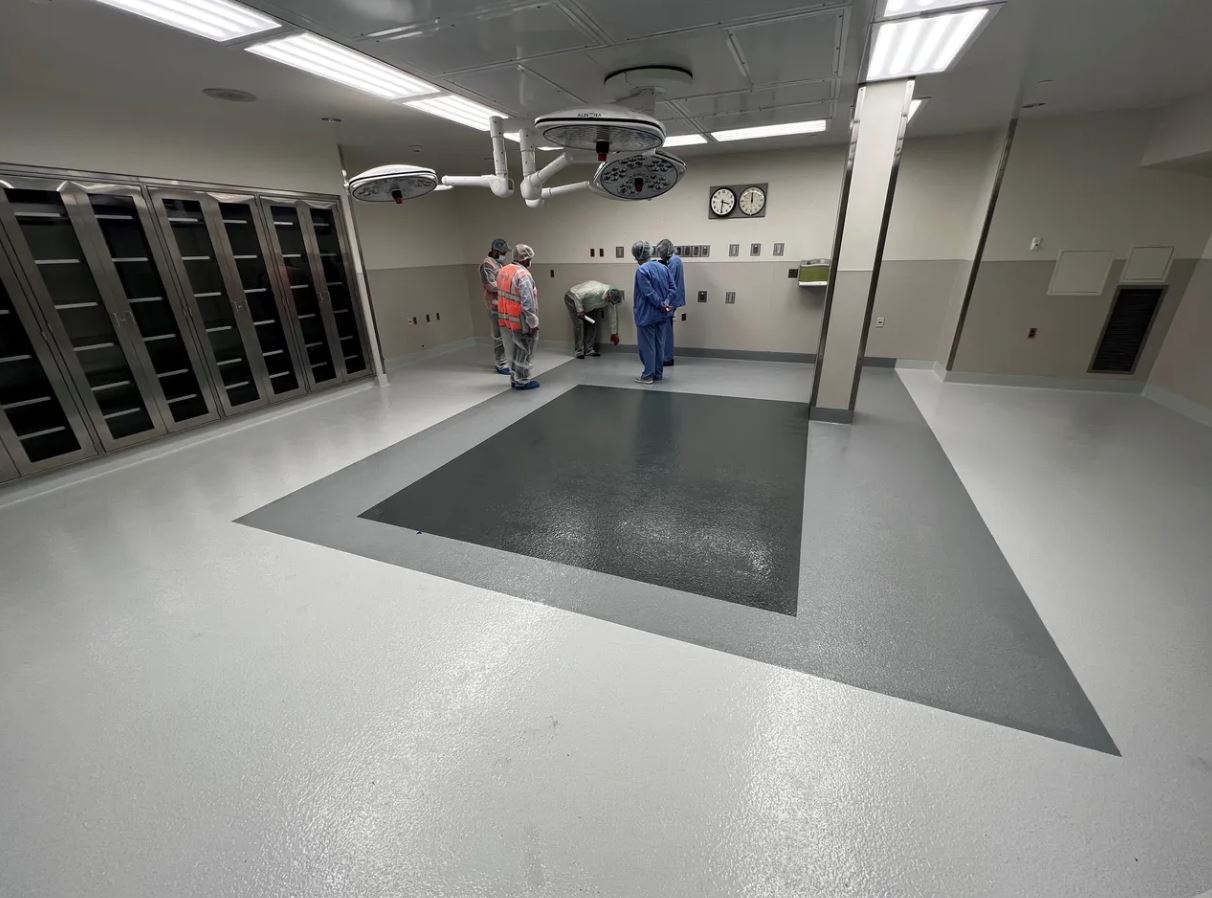
Thinking about epoxy flooring? Good choice. Epoxy provides many benefits for Denver homeowners, commercial property owners, investors, contractors, and property managers. It is durable and easy to clean, and you can customize the look. Also, it stands up to Denver's weather. Freeze-thaw cycles can damage other flooring types.
Adhesion is what matters most. It is how well the epoxy sticks to the concrete. Poor adhesion causes problems. Peeling and bubbling can cause failure. Nobody wants that after investing in new flooring.
Surface restoration matters here. You would not paint a dirty wall. The same idea applies here. Prep the concrete before applying epoxy. Grind down old coatings or imperfections, patch cracks and holes, and ensure the surface is clean and porous. Epoxy needs something to grab. Do not just slap on a coat and hope for the best. This multi-step process starts with assessing the concrete. Trying to find a reliable Flooring Contractor in Denver residents depend on for quality floor installation.. Get this right, and your epoxy floor will last for years. Skip it, and you invite trouble.
Epoxy flooring is more than one thing. It is a layered system. First, you have a primer. This base grabs the concrete. Then, the epoxy base coat creates a smooth, lasting surface. Finally, a topcoat adds protection and shine.
There are different kinds of epoxy. Self-leveling epoxy works on uneven floors. It fills dips and makes a smooth look. Flake epoxy uses decorative flakes for a terrazzo look. Metallic epoxy makes cool, swirling designs. Each kind has benefits and a unique look.
Surface fixes matter. Prep the concrete before applying epoxy. Grind old coatings, patch cracks, and clean the surface. This readies the surface to bond. Why? Epoxy won’t stick to a damaged or dirty floor. You will see peeling and bubbles. Starting right saves time and money.
One clear sign of poor epoxy adhesion is peeling. You will see the epoxy lift from the concrete, often in large sheets. This is more than a cosmetic issue. It exposes the concrete to moisture and other damage. Once peeling begins, it spreads fast, which worsens the problem. Ignoring it leads to bigger, costlier repairs later, so fix it fast.
Bubbles under the epoxy also show adhesion failure. These bubbles weaken the bond between the epoxy and the concrete. This can occur if moisture gets trapped when you apply it. These bubbles grow and cause the epoxy to crack or come apart. Good surface prep and moisture tests help keep bubbles away.
Cracks in the epoxy finish are another result of poor adhesion. These cracks range from small to large. Cracking hurts the floor's look and lets water and chemicals in. These hurt the concrete and cause bigger repairs. Fixing cracks early stops them from getting worse.
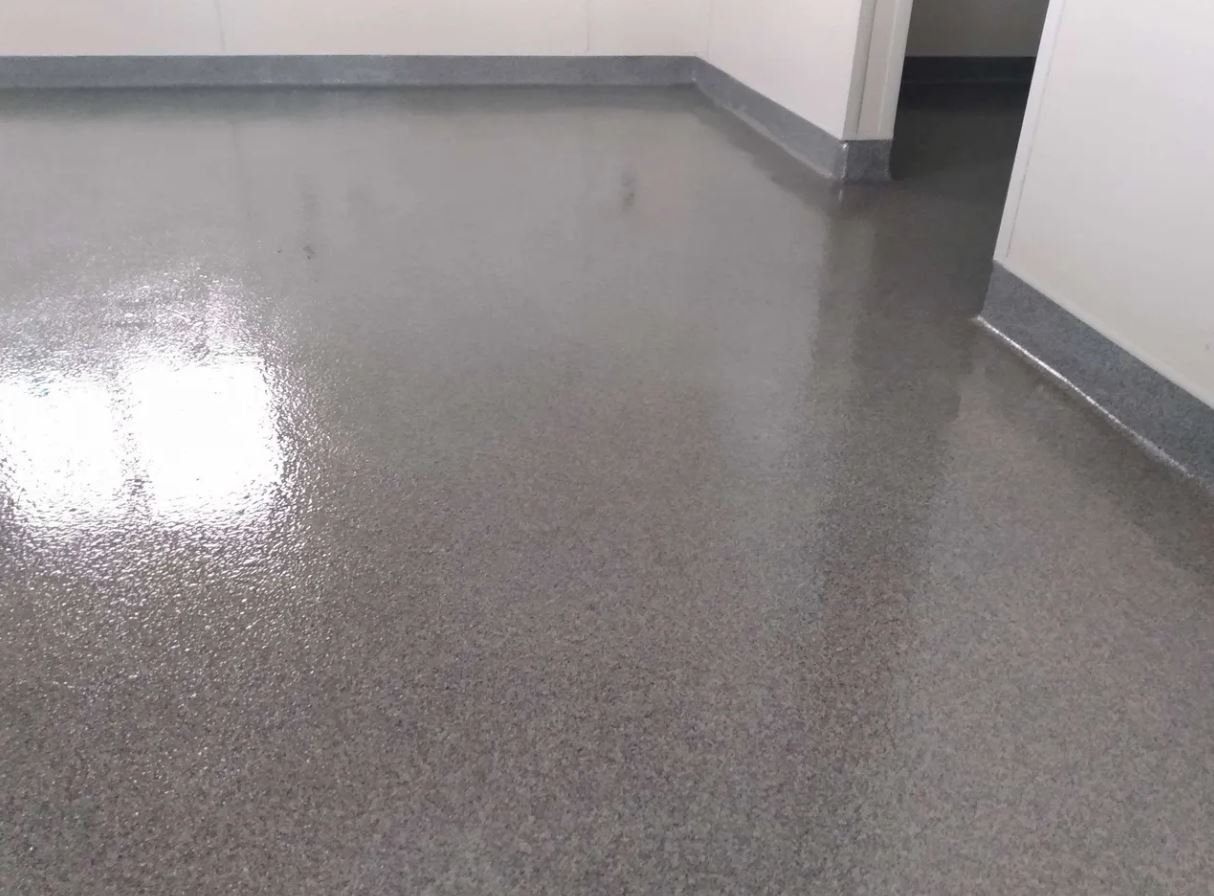
Delamination is when the epoxy comes off the concrete. This is unsafe, mainly where many people walk. The loose epoxy can make people trip, and the open concrete can get damaged. Fixing delamination means removing all the epoxy and starting over, which costs a lot. Proper surface prep is key to stopping this.
Ignoring adhesion failures costs you money. Fixing or replacing bad epoxy floors costs a lot. This includes the cost of materials, work, and lost business time. Good install and care, like cleaning and resealing, help your epoxy floor last and keep repair costs down. Paying for quality now saves you money later.
Epoxy needs a textured surface to properly grip. Insufficient grinding or etching leaves a smooth surface, reducing the mechanical bond. This can cause delamination, especially under stress or impact. A proper profile ensures a strong, lasting connection.
Excessive moisture in the concrete substrate is a major cause of epoxy failure. Moisture vapor transmission can create pressure, lifting the epoxy from below. Testing for moisture levels and applying a moisture barrier are essential preventative measures.
Contaminants like oil, dust, or previous coatings can severely impede epoxy's ability to bond. Thorough surface preparation, including cleaning and profiling, is crucial. Failure to remove these contaminants results in weak spots where the epoxy may peel or bubble.
Thinking about epoxy flooring? Great. But before you pour, prep the surface the right way. I mean *really* prep it. This is more than just sweeping.
First, cleaning. Remove everything: dust, grease, old paint. These things stop the epoxy from bonding to the concrete. It is like taping something to a dirty wall; it won't stick. Use a good cleaner, scrub, and rinse well.
Next, profiling. Concrete is often too smooth for epoxy to grab. Create a rougher surface, called a profile. Concrete grinding works best. You can also use acid, but it's messier and harder to manage. The aim is to open the concrete so the epoxy can sink in.
What about moisture? It's a big problem if you don't address it. Epoxy and moisture don't mix. If there's too much moisture in the concrete, the epoxy will peel or bubble. Rent a meter and test the concrete first. If it’s too high, find out why and fix it. It could be a leak or groundwater. Take care of it first.
Last, cracks and damage. Fill them. Use a patching compound made for this. Let it cure before you move on. Ignoring cracks is like putting a bandage on a broken leg. It might look okay for a bit, but the problem is still there, and it’ll return. Skip any of these steps, and your epoxy floor might fail. No one wants that.
When you prep a concrete floor for epoxy, you must deal with what's already there. The big thing is figuring out any problems in the concrete. Moisture is a huge issue. If the concrete is too damp, the epoxy won’t stick. Look for dark spots or efflorescence, the white, powdery stuff that salts leave.
Laitance is another problem. It’s a weak, crumbly layer on the surface, like the dusty top layer on old concrete. You must grind that off. Previous coatings are obvious, but sometimes people just epoxy over old paint or adhesive. Don’t do that! It will peel.
Chemical contamination is sneaky. Oil, grease, acids, and anything spilled on the concrete can mess with adhesion. Look for stains, discoloration, or even a lingering smell. If you suspect chemicals, you might need a special cleaner or even shot blasting to get the concrete clean.
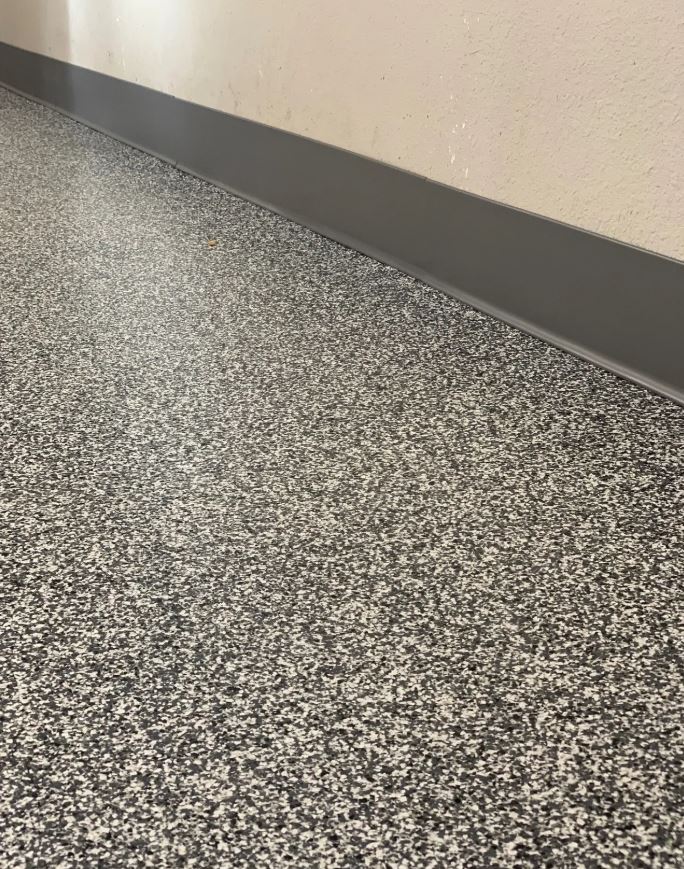
Fixing these issues isn't just about slapping on some epoxy. It’s about making sure the foundation is solid. If you skip these steps, your new floor will fail. You’ll end up with bubbles, peeling, and frustration. Inspect, prep, and fix the concrete first. It's worth it.
When you work with epoxy, correct mixing and application are very important. If you mess it up, adhesion problems are sure to follow.
First, mixing ratios matter. Follow the manufacturer’s instructions exactly. Too much hardener? Too little? Either way, the epoxy will not cure properly. You’ll have a weak, sticky mess that will not bond. Use the right measuring tools. Do not guess.
Next, think about the mixing itself. You must really blend the components. Scrape the sides and bottom of the bucket. Use a proper mixing paddle, not just any old stick. If you do not mix thoroughly, you will get uncured spots. These spots become weak points.
Application is another potential problem. Temperature matters. If it is too cold, the epoxy gets thick and does not flow. If it is too hot, it cures too fast. You also need to think about thickness. If it is too thick, you risk bubbles and improper curing. If it is too thin, you do not get enough protection or adhesion. Follow the manufacturer's advice for the right mil thickness.
Finally, consider pot life. Epoxy has a limited working time once mixed. Do not mix more than you can apply within that window. If you try to spread epoxy that is already starting to set, it will not bond well. It is just common sense, but people still mess it up.
Temperature and humidity greatly affect epoxy curing and adhesion. Epoxy hardening involves a chemical reaction sensitive to the environment. Cold temperatures slow or prevent curing. High humidity can trap moisture, causing bubbles, cloudiness, and adhesion issues.
Denver's climate presents challenges. We see large seasonal changes, from hot summers to freezing winters. Humidity also varies. You can't apply epoxy anytime and expect good results.
What is the fix? Control the environment. If it's too cold, use heaters. If it's too humid, use dehumidifiers. Monitor temperature and humidity. Most importantly, follow the manufacturer's advice for your epoxy. They know their product and advise on application and curing. Ignoring them invites problems.
Let's say you have a concrete floor that's not in great shape. Before you apply any new epoxy, you must prep the surface well. Your epoxy is only as good as what it sticks to.
First, check the damage. Are there cracks or obvious damage? Note everything. Grinding helps here. Aim for a clean, porous surface, which gives the epoxy something to grab. Do not skip this step!
Next, patch the surface. Fill cracks and holes with a concrete patching compound. Ensure it cures fully before moving on. This avoids future problems.
Then, you might need another round of grinding to even things out. Vacuum all the dust. Dust prevents adhesion.
Finally, you're ready for a primer coat. This bonds the old concrete to the new epoxy. Let it dry fully.
What if you skip steps or rush? You might see peeling, bubbling, and a bad-looking floor. No one wants that. Restoring the surface well ensures your new epoxy floor looks good and lasts. It's an investment, not just a quick fix.
You have some damaged concrete. It might have cracks, be uneven, or just be old. Before you install new epoxy flooring, address the existing surface. This isn't just about looks. It is about making sure the new floor sticks. First, check the damage. Are there hairline cracks or large holes? Is the surface dusty, or is there oil and grime? This decides the restoration needed. For minor problems, grinding works. It smooths the surface and removes old coatings. It also opens the concrete for better grip. Patching fills cracks and holes. Use a concrete patching mix and follow the directions. A clean patch matters. Now, the coating. This isn't the final epoxy layer. It is a primer or base coat that bonds with the concrete and the new flooring. It fills any flaws and makes a uniform surface. Why do this? If you skip these steps, your new epoxy floor might peel, crack, or bubble. It's like building a house on a bad base. Doing it right saves you trouble and money. Also, a restored surface makes your new flooring last longer.
Surface restoration isn't always a DIY project. Do you see major cracking, widespread delamination, or tricky substrate problems? Then it's time to call a professional. Think about it: You could patch a big crack, but if you don't know *why* it cracked, you're only using a temporary fix. The crack will likely return.
Professional epoxy flooring contractors offer skills. They can find the cause of the issue. Is it moisture, bad prep work, or something else? They can also create a repair plan that *solves* the problem. They know how to check the concrete, choose the right grinding methods, and select patching compounds that work well together. This matters.
They also have the right tools. You won't get great grinding with a tool from a hardware store. Expert repairs mean your epoxy floor lasts longer. This saves you from future problems and bigger repairs. Trust us, doing it right the first time matters.
When you need surface restoration, a local choice can be smart. A Denver-based flooring contractor understands the challenges of our climate and building styles. They know what works here.
How do you pick the right one? Don't just pick the first name. Do your homework.
First, check references. Talk to past clients. Ask about their experience with communication, work quality, and sticking to the schedule and budget. Certifications also matter. Look for contractors certified by groups in the flooring business. This shows they've trained and know current methods.
Insurance is key. Be sure the contractor has enough liability and worker's compensation. This protects you if something goes wrong. It's a must.
Finally, ask questions. A good contractor will explain their process, answer you, and give a detailed plan. If they avoid answers, that’s a bad sign. You want someone open from the start.
Denver's climate makes epoxy flooring tricky. Temperature and humidity shifts impact how well epoxy sticks. What should you watch out for?
Surface prep matters most. Don't apply epoxy to dirty, uneven concrete and expect it to last. Grind, patch cracks, and clean the surface. This is key. Think of it like painting: the paint job relies on the prep work.
Next, application matters. Mix the epoxy right, use the correct tools, and apply it at the correct thickness. If you cut corners, peeling or bubbling may happen. Pay for a pro who knows the process.
Finally, remember maintenance. Even the best epoxy floors need care. Regular cleaning and quick repairs extend its life. Ignoring small issues creates big problems.
Good adhesion depends on three things: prepping the surface right, applying the epoxy correctly, and keeping up with maintenance. Skip any step, and problems arise.