Assess the percentage of hair reduction achieved after a series of laser hair removal sessions. Higher percentages indicate more successful treatments. This metric helps gauge the long-term effectiveness of the laser and the client's response. Consistent tracking allows for adjustments in treatment parameters to optimize results.
Measure client satisfaction through surveys and feedback forms. High satisfaction scores reflect positive treatment experiences and perceived value. Happy clients are more likely to continue treatments and refer others. Regularly evaluate satisfaction to identify areas for improvement.
Monitor the average number of sessions required to achieve desired hair reduction. Fewer sessions indicate a more efficient treatment protocol. This metric can help optimize treatment plans and manage client expectations. Track session counts to refine laser settings and improve overall efficiency.
Laser hair removal is popular, especially in places like Brampton. But "success" varies from person to person. It’s important to decide what you want *before* you book a session.
Are you a busy person who wants to ditch the razor? Or are you an athlete tired of razor burn? Maybe you're dealing with hormonal hair growth, or you want to clean up your beard line. Each goal needs a different plan.
It's not just about *what* you want, but also *how* your skin reacts. Do you have sensitive skin? Then you need a technician who understands sensitive skin and knows how to adjust the laser settings to limit irritation. The key is a treatment plan that fits you. This includes the laser's intensity and the number of passes on your skin. Find the right balance to get the most hair reduction with the least discomfort.
For anyone researching Laser hair removal Brampton offers long-term hair reduction solutions..If you don't get this right, you might get poor results or irritated skin. No fun!
Laser hair removal isn't one-size-fits-all, especially in a diverse place like Brampton. Some clients are busy professionals who barely have time for lunch, let alone beauty appointments. Some women deal with hormonal imbalances that cause excessive hair growth. For example, PCOS can really throw things off. Athletes often seek laser hair removal for performance or comfort. Men might want to reduce hair on their bodies or shape their beard lines. Some people have sensitive skin and are prone to irritation, so they need extra care.
Customizing treatment is key. It starts with understanding what the client wants. Are they looking for complete hair removal, or just thinning? What's their pain tolerance? What are their expectations about how many sessions it will take?
Sensitive skin requires a gentler approach. Lower laser settings, cooling, and soothing aftercare are key to reduce the risk of burns or irritation. For hormonal imbalances, manage expectations. Laser can still work, but multiple sessions may be needed because of ongoing hormonal changes. Tailoring the treatment settings, laser type, and techniques to each client’s needs ensures high satisfaction and the best results.
Before you use a laser, assess the client. Understand their skin type using the Fitzpatrick scale. Note their hair color and density. Ask about medical conditions or medicines that could affect treatment. For example, darker skin may need a laser with a longer wavelength to avoid pigmentation issues. Skipping this can cause ineffective treatments or adverse reactions like burns. Tailor the treatment to the person, and don't use the same settings for everyone.
Removing hair is not the only goal. Understand what the client wants. Some want complete hair removal, while others want thinning or shaping. This matters for beard lines in men or certain areas for women. Talk openly to set expectations. For example, athletes may want complete hair removal for performance. Others may prefer a natural look.
Sensitive skin needs a different plan. Use lower laser energy settings and more sessions. Cooling helps reduce discomfort and prevent skin damage. Skincare before and after treatment may soothe and protect sensitive skin. If you don't treat sensitive skin well, it can cause redness, irritation, or blisters.
Adjust laser settings for each client. Skin type, hair color, and hair thickness help decide the best energy level, pulse duration, and spot size. Settings that are too low might not work. Settings that are too high could cause burns or pigmentation changes. It takes skill and care to find the right balance during treatment.
Set real expectations at the start. Laser hair removal often takes many sessions to reduce hair. Complete removal is not always possible. Hormones or genes can change results. Tell clients what to expect and that they may need maintenance treatments. This can help clients be happy and avoid letdowns. Managing expectations matters as much as the treatment.
Laser hair removal isn't one-size-fits-all. It’s about understanding what you want and tailoring the treatment to your specific needs. This is especially important for those with sensitive skin or hormone-related hair growth.
For sensitive skin, we use specific protocols. This often means lower laser energy and cooling methods to reduce irritation. We also change the laser settings based on your skin type and hair color. Darker skin, for example, needs different settings to avoid pigmentation changes.
A big part of this is setting realistic expectations. Laser hair removal reduces hair a lot, but it might not remove it all. Managing expectations from the start is key to client satisfaction.
So, how do we customize the treatment? It starts with understanding your aesthetic goals. Are you looking for complete hair removal in a specific area, or just less hair? Your answer guides the treatment plan.
The technique also matters. The way the laser is applied, the speed, and the pulse overlap all affect the result. Experienced technicians know how to change these factors for the best results and the least discomfort. It's a team effort, and open communication is needed to get the best results.
Let's discuss how to ensure each laser hair removal treatment focuses on the client. It starts with understanding what they want. We need to ask detailed questions, not just a quick "what are you hoping for?" Instead, we should explore their expectations. After each session, we need to check in: Did we meet those expectations?
Pain matters, especially for those with sensitive skin. Pain scores are helpful, but listen to their feedback about how their skin feels during and after treatment. Some people might need different laser settings or cooling methods. Adjust to their comfort level.
Consider pre- and post-treatment care. Are they happy with the instructions? Do they feel supported in caring for their skin before and after each session? This part matters because if they don't follow the guidelines, they might not get the best results. They could also experience irritation or other issues. Make sure they understand why moisturizing or avoiding sun exposure matters. A happy client feels heard, comfortable, and well-cared for.
Laser effectiveness depends on skin type and hair color. That’s why the Fitzpatrick scale matters. It helps us classify skin tones, which impacts how we set laser parameters. Darker skin absorbs more laser energy. If we're not careful, this increases the risk of burns or pigmentation changes.
Hair color also matters because the laser targets melanin, the pigment in hair. Dark hair absorbs laser energy best, which makes treatments more effective. Lighter hair, such as blonde, red, or gray, has less melanin, so it’s harder to treat. These cases often need more sessions or different laser types.
Customization is key in Brampton, with its diverse population. We adjust laser settings, like energy levels, pulse duration, and spot size, based on individual skin and hair. For darker skin, we might use a longer pulse duration to decrease the risk of overheating the skin. For fine hair, we might increase the number of sessions.
Our goal is to match the treatment to your aesthetic goals while keeping you safe and comfortable. This means assessing your skin, understanding your expectations, and managing any sensitivities. Treatment that is suited to you helps ensure the best results with minimal risk.
Let's talk lasers. When it comes to hair removal, lasers aren't all the same, and they aren't for every skin type. Alexandrite lasers work well on lighter skin tones, like Fitzpatrick skin types I-III, and on darker hair. Diode lasers are more versatile and generally safe for a wider range, including some medium skin tones (III-IV).
If you have darker skin, the Nd:YAG laser is often the best choice. It has a longer wavelength, so it bypasses the melanin in the skin better. This reduces the risk of pigmentation issues. That makes sense.
Laser type isn't the only factor. The settings matter. Pulse duration and energy levels are important. If the settings are too high, you could burn the skin or cause hyperpigmentation. If they are too low, you won't target the hair follicle well, and you will waste time and money.
It is important to set these settings based on the client's skin type, hair color, and hair thickness. It's not a one-size-fits-all situation. Someone with fine, light hair needs different settings than someone with coarse, dark hair. It’s part art, part science.
When we talk about laser hair removal, it's important to be upfront with clients. We need to discuss realistic expectations. It’s not a one-time treatment, and it’s not magic.
Let's be clear: laser hair removal is about hair *reduction*, not *removal*. "Permanent reduction" means you'll have less hair, and it'll likely be finer and lighter. Some hair might still grow back. Multiple sessions are needed, usually spaced several weeks apart. Expect maybe 6-8 sessions to see a real change.
Even then, some people need maintenance treatments later, maybe once or twice a year, to keep the hair away. Hormonal changes, age, and genetics affect how your body responds.
We need to discuss expected hair reduction percentages. Everyone's different, but a good target is around 70-90% less hair in the treated area. Again, that's after multiple sessions. If you don't manage expectations, people get upset when they still see some hair after the first treatment. Honesty and realistic goals are key from the start.
Laser hair removal is generally safe, but side effects can occur. Redness and swelling around the treated area are the most common. This is like a mild sunburn and usually fades within hours or a day.
Rarer complications exist. Pigmentation changes, like darkening or lightening of the skin, can occur, especially in people with darker skin. Scarring is also possible, but quite rare when a trained professional performs the procedure correctly.
How can you reduce these risks? Proactive steps are key. A skilled technician will assess your skin type and adjust the laser settings. They'll also do a test patch to see how your skin reacts before treating a larger area. Follow pre-treatment instructions, like avoiding sun exposure. This is crucial.
If complications arise, early care is important. For pigmentation changes, topical creams can help restore the skin's natural color. Scarring might need more advanced treatments, like laser resurfacing.
Aftercare is also key. Keep the treated area clean and moisturized, avoid sun exposure, and use sunscreen. These steps ensure a smooth recovery and good results. Treat your skin gently!
Laser hair removal isn't a one-size-fits-all solution, especially for different skin types and hair textures. Listening to what the client wants to achieve is key. Are they looking for complete hair removal? Or just a reduction in thickness? This impacts the treatment plan.
What about sensitive skin? That changes things. You must be extra careful with the laser settings. Start with lower energy levels and increase them gradually if the skin responds well. Patch tests help avoid bad reactions.
Treatment also means thinking about the client's skin tone. Darker skin absorbs more laser energy. Use lasers made for that, like Nd:YAG. Adjust the settings to prevent hyperpigmentation or burns. It's a balancing act.
Technique also matters. Finer hairs might need a different approach than coarse, thick hair. Sometimes, multiple sessions with adjusted parameters get better results than blasting everything at once. The goal is always high satisfaction and great results. Happy clients see the value in what you do.
Client-focused treatment matters most. Laser hair removal isn't one-size-fits-all, especially with the range of skin types and hair textures in Brampton. A busy professional might want quick sessions with little recovery time. Someone with hormonal hair growth might need a strategic, long-term plan.
What about sensitive skin? That requires extra care. Lower energy levels, pulsed modes, and cooling techniques help avoid irritation. Adjusting the laser settings is key. Without adjustments, you risk burns, pigmentation changes, or ineffective treatment.
The aim is to match the treatment to the client's goals. Managing expectations is also key. A good technician will explain the process, share realistic expectations, and adjust the plan as needed. This leads to high satisfaction and real results.
Laser hair removal isn't one-size-fits-all, especially when you have different skin types and hair colors. What works for someone with fair skin and dark hair might not be the best way for someone with darker skin or lighter hair. Customizing the treatment matters.
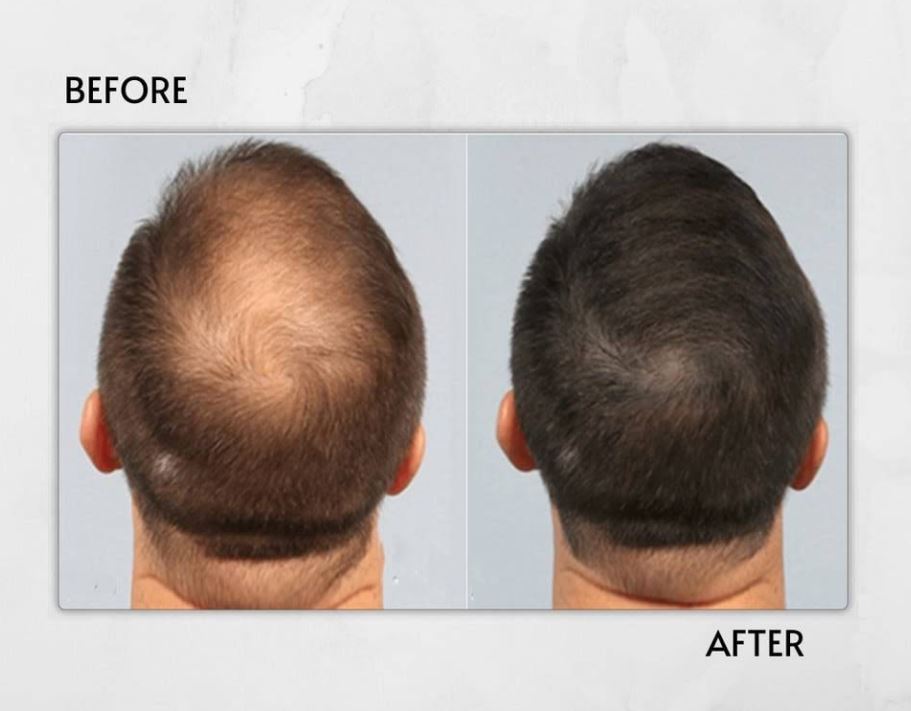
We've seen great results by listening to what our clients want and changing the laser settings. For example, Sarah was a busy professional with hormonal hair growth. She wanted a lasting fix but had sensitive skin. We used a lower energy setting and a longer pulse to reduce irritation while targeting the hair follicles. Her before-and-after photos look great, and her story shows how much it improved her confidence.
David is an athlete who wanted smoother skin for performance. His skin was less sensitive, so we used a higher energy level for faster results. The key is understanding each client's needs and changing the treatment plan.
We get consent to share before-and-after photos. Seeing is believing. It's not just about removing hair; it's about helping people feel better about themselves. That's the best way to measure success. Managing sensitive skin also matters. If you don't change the laser settings, you risk burns, discoloration, or scarring. A thorough consultation and patch testing are needed.
Laser hair removal isn't one-size-fits-all, especially in a diverse community. What works for a busy professional might not be ideal for someone with sensitive skin or hormonal hair growth. Client-centric treatment is key.
It starts with listening to the client. Are they aiming for complete hair removal, or just thinning? What’s their pain tolerance? What are their expectations for the number of sessions? This shapes the treatment plan.
Sensitive skin needs extra care. Lower laser intensity and more cooling may be needed. Numbing creams could help. Ignoring this can cause burns, discoloration, or discomfort. For hormonal hair growth, manage expectations. More sessions may be needed, and maintenance treatments might be necessary.
Tailoring also means adjusting the laser settings based on skin type and hair color. Darker skin absorbs more laser energy, so lower settings are a must to avoid pigmentation issues. Thicker hair might need higher energy, but it's a balancing act to prevent side effects. The goal is to deliver the best results while keeping the client safe and comfortable. It’s about understanding their needs and adapting the treatment.
For laser hair removal to work, especially in a diverse market like Brampton, it's not just about removing hair. It's about understanding what each client wants. Do they want complete hair removal? Just thinning? Or maybe just shaping a beard line? Knowing this is key.
Next, consider skin sensitivity. Some people's skin reacts easily. So, you can't treat everyone with the same laser settings. You need to adjust the laser's intensity, pulse duration, and cooling. Patch tests are helpful. Always test a small area first.
Treatment also means considering hair color and skin type. Dark hair on light skin is the easiest target. But what about light hair, or darker skin tones common in Brampton? That calls for different lasers and techniques. The wrong settings can cause burns, pigmentation changes, or ineffective treatments. So, do it right.
In the end, happy clients are the best advertisement. And happy clients come from treatments that meet their needs, minimize discomfort, and give visible, lasting results.