Laser hair removal is a popular choice, especially for busy people, athletes, or those with sensitive skin. It’s also great if you’re just tired of shaving or waxing. The main goal? Hair reduction that lasts.
Safety matters with any laser treatment. You want effective hair removal without skin damage. So, how do they protect your skin during laser hair removal?
The lasers target hair follicles. They focus on the melanin (the pigment) in the hair. The laser emits a light wavelength that the melanin absorbs. Advanced laser hair removal Mississauga is designed to reduce hair growth over time.. That turns into heat and damages the follicle. This is why it works best on dark hair and lighter skin.
What about the skin around the hair? Good laser machines have cooling systems. These systems, like a chilled tip on the handpiece, cool the skin before, during, and after the laser pulse. This helps dissipate heat and prevent burns or pigmentation changes. That makes sense, right?
Also, the person doing the treatment should be trained to select the right laser settings for your skin type and hair color. This is key because the wrong settings can damage skin. They might also use a cooling gel to protect the skin. It adds a layer between the laser and your skin.
Many laser devices incorporate cooling mechanisms to protect the skin during treatment. These can include integrated cooling tips, chilled gels, or forced air. These mechanisms help to reduce the risk of burns and discomfort by dissipating heat from the skin's surface, making the procedure more tolerable.
During the laser hair removal procedure, both the client and the technician must wear appropriate protective eyewear. This eyewear is designed to shield the eyes from the intense laser light, preventing potential eye damage or vision impairment. Ensuring proper eyewear is in place before activating the laser is paramount.
Prior to the first laser hair removal session, a thorough consultation is essential. This includes a skin assessment and a patch test to determine the skin's reaction to the laser and to identify the appropriate laser settings. This step minimizes the risk of adverse reactions such as burns or hyperpigmentation.

Laser hair removal targets melanin (pigment) in hair follicles. The laser sends out a light wavelength that melanin absorbs. This turns into heat, which damages the follicle and stops future hair growth. Different lasers work better for different skin and hair. It’s not a universal solution.
There are Alexandrite lasers. They work best on light to olive skin with dark hair. Then there are Diode lasers. They are flexible and work on more skin tones, but still work best with dark hair. Finally, Nd:YAG lasers are safest for darker skin. They have a longer wavelength that goes past the skin surface, which lowers the risk of pigment changes.
Safety matters. Alexandrite lasers have a higher risk of burns or discoloration on darker skin, so use them with care. Diode lasers are generally safer, but still need careful setup. Nd:YAG lasers are safest for dark skin, but they might not work as well on lighter hair. A skilled technician adjusts the laser to match your skin and hair. This lowers risks and gets better results. They also test a spot first to see how your skin reacts.
A thorough medical history review comes first. We need to know about your medications, past skin conditions like eczema or psoriasis, and your history with cosmetic procedures. Certain medications can increase your skin's sensitivity to light, which makes laser hair removal riskier. Hormonal imbalances can affect hair growth patterns and treatment results. Honesty helps us tailor the treatment to your needs and reduce possible problems.
Next, we assess your skin type using the Fitzpatrick scale. This scale classifies skin from Type I (very fair) to Type VI (very dark), based on how it reacts to sun. This helps determine the correct laser settings. People with darker skin are at a higher risk of hyperpigmentation (darkening of the skin) or hypopigmentation (lightening of the skin) if the laser isn't set correctly. The right settings reduce these risks and improve results.
We also need to analyze your hair color and texture. Laser hair removal works best on dark, coarse hair because the laser targets the pigment in the hair follicle. Fine, light hair may not absorb enough energy to be destroyed. Gray, white, or red hair is hard to treat because it lacks enough melanin. This hair analysis helps us set real expectations about the amount of hair reduction you can get and choose the best laser for your hair.
Allergic reactions to the cooling gels or other substances can happen, but they are rare. Patch testing means putting a small amount of the gel on your skin and watching for reactions, like redness, itching, or swelling. If you have any of these symptoms, you may be allergic. We will need to find another product or rethink the treatment. This simple step can save you from discomfort.
It's key to have real expectations about the results. Laser hair removal reduces hair, but it might not remove it forever. You need multiple sessions to target hair follicles in different growth cycles. Some hair may grow back, so you will need maintenance treatments. Certain medical issues or medicines may mean laser hair removal is not for you. We'll talk about this during the consultation to ensure you're informed and comfortable.
Before you get zapped with that laser, you must do a few things to protect your skin. Think of it as prepping a canvas before painting. The better the prep, the better the outcome.
First, stay out of the sun! Tanning, from the sun or a tanning bed, is a major no-no. Here is why: The laser targets pigment. If your skin is tanned, the laser can't tell the difference between your hair follicle and your skin. This increases the risk of burns or discoloration. Avoid sun exposure for at least four weeks before your treatment.
Next, shave the treatment area. It seems odd, but the laser needs the hair follicle to be intact to work. Shaving removes the hair above the skin, which stops the laser from burning the surface. Don't wax or pluck. You need that follicle! Do this a day or two before your appointment.
Also, stop using certain skincare products. Retinoids and chemical exfoliants (like AHAs and BHAs) can make your skin more sensitive. Using them before laser hair removal is risky. Stop using them about a week before your treatment to avoid irritation.
Finally, tell your technician about any medications you take. Some medications can increase your skin's sensitivity to light. This can also increase the risk of complications. It's always better to be safe. Honesty is key to avoiding unwanted side effects.
Thinking about laser hair removal? Good choice. Before you start, make sure the place you choose is safe. Here is a quick checklist:
First, check for certifications and licenses. Are they on display? Ask to see them. Confirm that the technician can use a laser. Here is a red flag: if they hesitate or can't show proof, leave.
Next, consider the laser. It needs regular upkeep. Ask about the maintenance schedule. A good clinic will tell you. A bad clinic will avoid the question.
Eye protection is required. You and the technician need it. Goggles are not optional. If they offer sunglasses or nothing, that's bad. Lasers can harm your eyes.
Ventilation matters, too. Lasers make fumes, so the clinic needs a system to keep the air clean. Does it smell odd? Is there smoke? That's not good.
Finally, ask about emergency plans. What if something goes wrong? Do they have a plan? A good clinic will have plans and explain them. If they seem confused, go somewhere else. Trust your instincts. If something feels wrong, it likely is.

What happens during laser hair removal? First, a cooling gel goes on the area. This gel is important. It protects your skin and helps the laser focus on the hair follicle.
Next, the technician adjusts the laser. This isn't one-size-fits-all. They check your skin tone, hair color, and hair thickness to find the best settings. This helps avoid skin damage.
What does it feel like? Most people say it feels like a rubber band snap. It's not great, but doable. Some clinics have numbing creams if you are worried about pain. Session length depends on the treated area. A small area, like the upper lip, may take minutes. Larger areas, like the legs, can take an hour or more.
The technician watches your skin during the process. They look for redness, swelling, or irritation. If something looks wrong, they adjust the settings or stop. Tell your technician if you feel discomfort. Your feedback helps keep your skin safe!
You just had your laser hair removal session. What’s next? The time right after is very important. It protects your skin and helps you get good results. Your skin needs some care.
Soothing lotions and creams can help. Aloe vera is a classic. It cools and calms skin, and it reduces redness or irritation. Gently put it on the treated areas. Avoid the sun. After laser treatment, your skin is more sensitive. Sun exposure can cause dark spots. Wear sunscreen with a high SPF. If you can, cover the treated areas with clothing.
Also, skip strong skincare treatments for a bit. No exfoliating scrubs, chemical peels, or anything too rough. You don't want to irritate your skin more. Use gentle cleansers and moisturizers until your skin recovers.
Watch for any bad reactions. Burns, blisters, or too much redness are serious. If you see anything like that, contact your laser technician or a skin doctor right away. It's best to be safe. Sun protection is very important. Laser treatments make your skin weaker, and the sun can hurt your progress. Use sunscreen.

Laser hair removal is generally safe, but know what to expect. Some people get redness, swelling, or itching where they were treated. This feels like mild sunburn. It usually fades in a few hours to a couple of days. A cool compress or aloe vera gel can soothe the skin.
Minor burns are also possible, but less common with modern lasers and skilled technicians. Hyperpigmentation (darkening of the skin) or hypopigmentation (lightening of the skin) can happen, especially in people with darker skin. A test spot helps you see how your skin reacts.
If you see any blistering, crusting, or signs of infection, contact your doctor or the clinic right away. For changes in pigmentation, talk to your technician. They might suggest creams or treatments. Most side effects are temporary and easy to manage at home. Still, be careful and seek advice if anything seems wrong.
It's super important to keep your skin healthy after laser hair removal. Sun protection is key, every day, even when it's cloudy. Lasered skin is more sensitive, so sun damage can happen more easily. Sunscreen is your new best friend. Use SPF 30 or higher, and reapply often, especially if you're outside.
Next: gentle skincare. Avoid harsh scrubs and strong chemicals for a while. Your skin needs TLC after a procedure. Use mild cleansers and moisturizers. Look for "fragrance-free" and "non-comedogenic" products to avoid irritation and clogged pores.
Also, avoid strong peels or anything with a lot of alcohol. These can dry out your skin and cause irritation, which you don't want after laser.
Finally, watch your skin. Check for any changes, like new or different-looking moles or spots. If you notice anything unusual, see a dermatologist. It's always better to be safe when it comes to skin health, especially after laser treatments.
Let's clear up some common misunderstandings about laser hair removal. Many people worry about the pain. It's often described as a rubber band snap. Some areas are more sensitive, but numbing cream can help.
What about the "permanent" claim? Laser hair removal usually results in long-term hair reduction. Some hairs might grow back, but they're usually finer and lighter. Touch-up treatments can maintain the results. It isn’t a one-time treatment, so keep that in mind.
Does it work for everyone? Mostly, yes, but it's most effective when there's a big difference between skin and hair color. Dark hair on light skin works best. Newer lasers are better at treating darker skin tones safely, but it's important to go to a qualified technician. They can adjust the laser settings to reduce the risk of skin damage.
What about long-term health risks? Laser hair removal is generally considered safe. Like any procedure, there are potential side effects. These can include temporary skin irritation, changes in pigmentation, or, very rarely, scarring. There's no evidence linking it to cancer or infertility. If you're concerned, talk to a dermatologist. Getting the right info is always the best first step.
You want to be in good hands, right? Picking the right person for laser hair removal matters. Don't jump at the first deal.
First, check credentials. Are they certified and trained? Ask to see proof. Then, read reviews. What do other people say? Look for patterns of complaints or praise.
Ask about their experience. How many laser hair removal treatments have they done? What lasers do they use? What's their approach to different skin types? These are all good questions.
Also, trust your gut. If something feels off, it probably is.
Know the difference between a med spa and a clinic. Clinics usually have a doctor on site, which is a plus if you have concerns or pre-existing conditions. Med spas can be great, but make sure qualified medical pros oversee treatments. It's your skin, so do your homework!
Laser hair removal isn't one-size-fits-all, especially for different skin and hair colors. Skin tones react differently to lasers, so a custom plan is key for safety and results.
For example, people with darker skin must be very careful. Lasers target pigment, and darker skin has more. The laser could affect the skin itself, causing burns or discoloration. A Nd:YAG laser, which has a longer wavelength and goes past the surface skin, is often better for darker skin tones.
Lighter skin tones usually have more choices. Alexandrite lasers are often a good choice because they target melanin in the hair follicle. Even with lighter skin, caution is still needed. Make sure the laser technician is skilled.
Hair color also matters. Darker hair absorbs laser energy better, so treatments work better. People with blonde, red, or gray hair might not see as much success because the laser has less pigment to target. Other hair removal methods might work better.
No matter your skin and hair color, see a skilled practitioner. They can check your needs and change the laser settings. Ask about their skill and the laser type. It's your skin, so speak up!
Protecting your skin is important during laser hair removal. The aim is to disable hair follicles without harming nearby skin. How does it work?
One key is using the right laser type. Different lasers are better for different skin tones and hair colors. For example, for darker skin, the technician will likely use a laser less likely to cause discoloration. They often start with a test to see how your skin reacts.
Cooling is also key. Many lasers have cooling systems that blow cold air or spray a cooling substance onto your skin before the laser pulse. This helps keep your skin cool and prevents burns. It might feel odd, but it helps.
The technician should adjust the laser's settings for your skin and hair. This includes the laser's intensity and pulse length. Too much power risks burning your skin. Not enough power means the treatment won’t work.
Everyone in the room needs protective eyewear. Lasers can damage your eyes, so special glasses or goggles are a must.

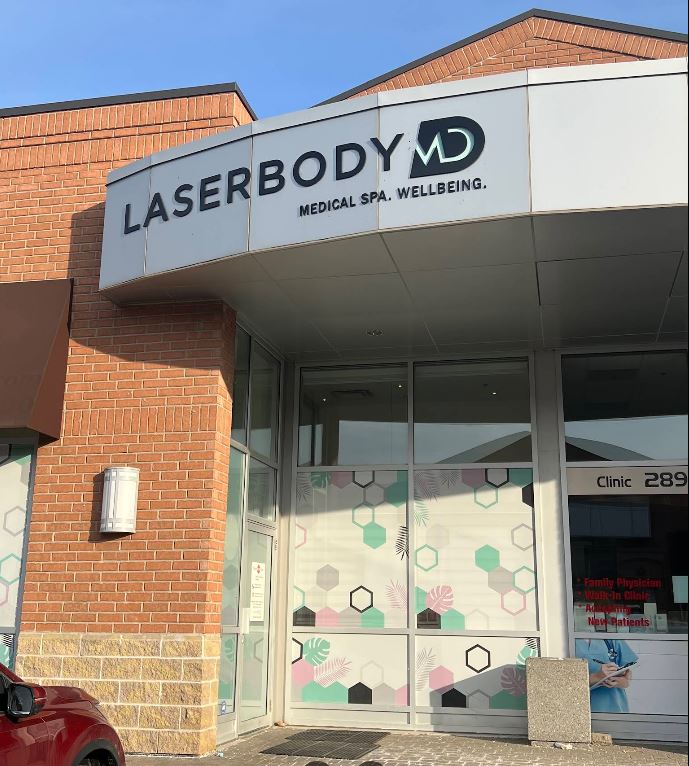
Laser hair removal has improved a lot. Now, the main goal is to keep your skin safe during the process.
Modern laser tech is very precise. Lasers target hair follicles with great accuracy. This means less risk to the skin around the hair. This helps people with sensitive or dark skin.
Comfort has also improved. Many clinics use cooling systems. These systems blow cool air on your skin as the laser works. This reduces stinging or burning.
What else is new? Different lasers now work better for different skin and hair. For example, Nd:YAG lasers often work for darker skin. They are less likely to cause discoloration.
Scientists keep improving laser tech. Expect even safer, faster treatments soon. This is an exciting time for laser hair removal!
Let's recap that checklist for safe laser hair removal. It is super important. The goal: make sure the laser targets the hair follicle and does not harm the surrounding skin. A trained and certified technician is key. They know how to assess your skin type, adjust the laser settings, and use cooling methods to protect your skin.
The laser needs to be precise. You don't want collateral damage. Pre-treatment consultations and patch tests are important. They help spot possible risks before a full session. Be proactive. Burns, scarring, or changes in skin color are not the goal.
Laser hair removal can be a great answer for long-term hair reduction. It frees you from shaving or waxing, and it can build your confidence. But your safety comes first. Do your homework, ask questions, and pick a trusted clinic with pros. Walk away if something feels wrong. Your skin will be grateful.
Want to take the next step? Book a consultation today to talk about your needs and concerns.